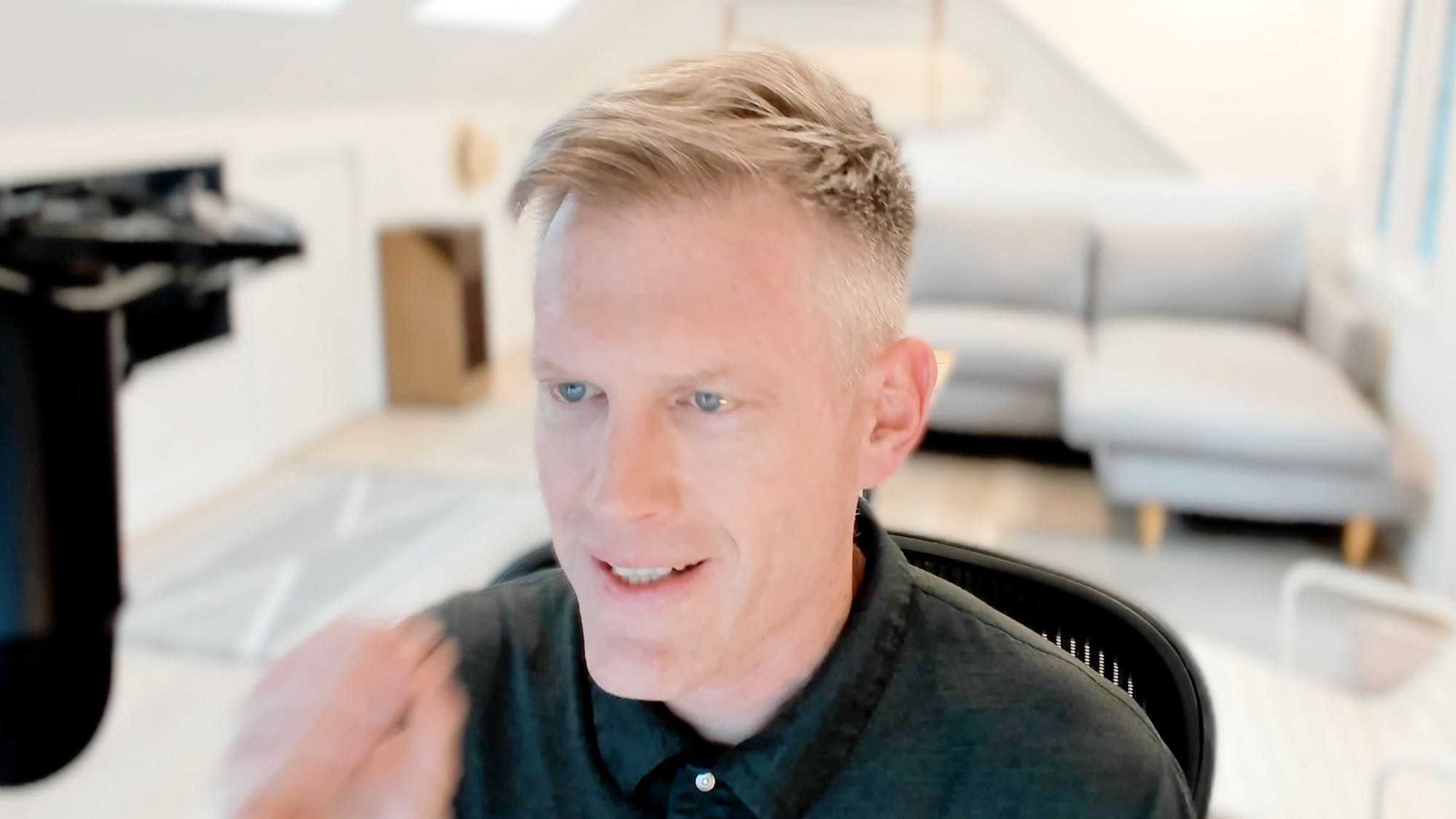
Starting in this industry as a designer, my core belief was that I could create anything with a $1,000 Mac and a copy of Adobe Photoshop. Adobe represented the tools needed to bring creativity to life. They were approached with reverence and had to be mastered just to get the most basic output. But to designers, we knew something more. These were the tools quietly powering the physical and digital experiences that ran the world.
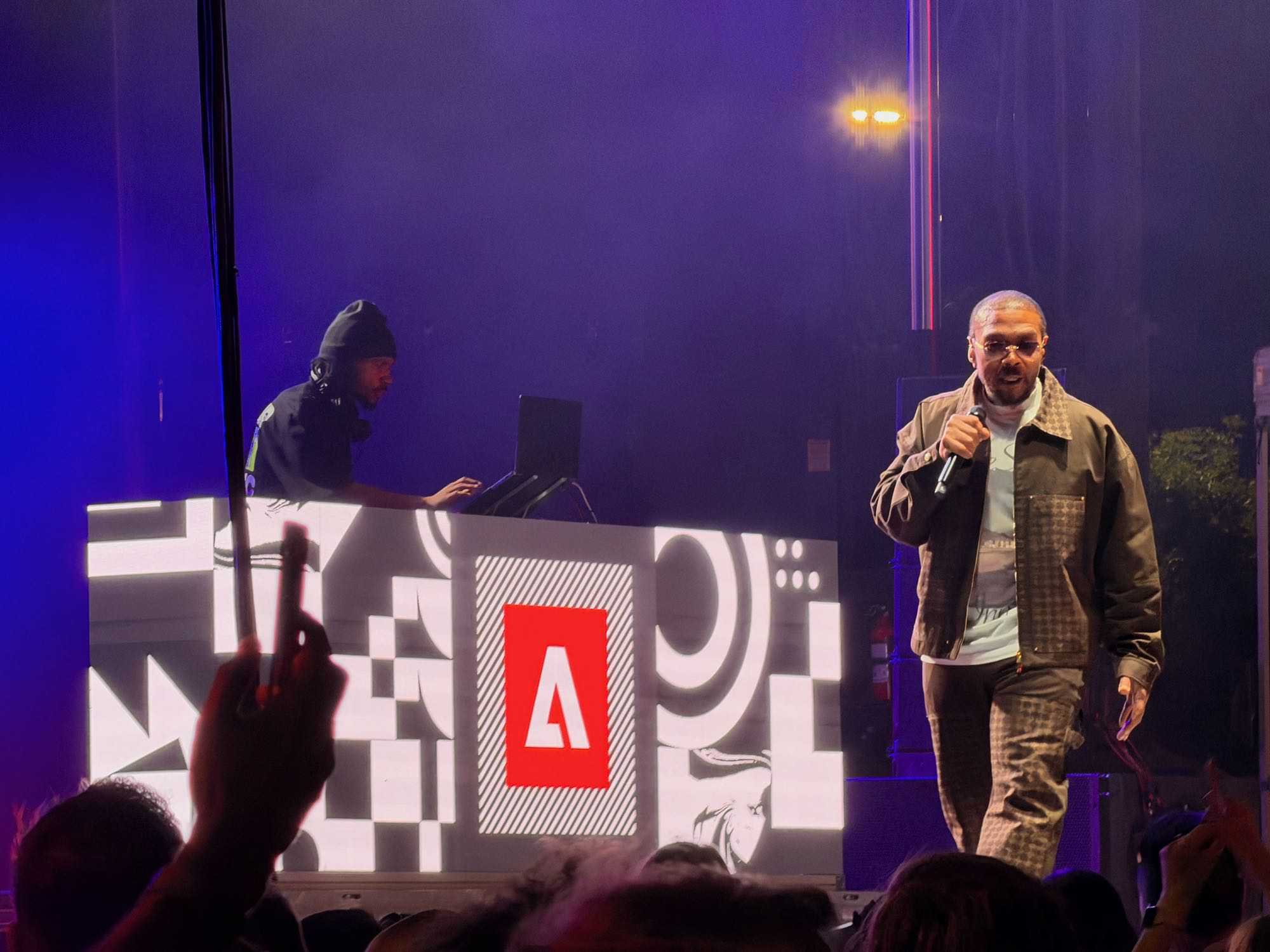
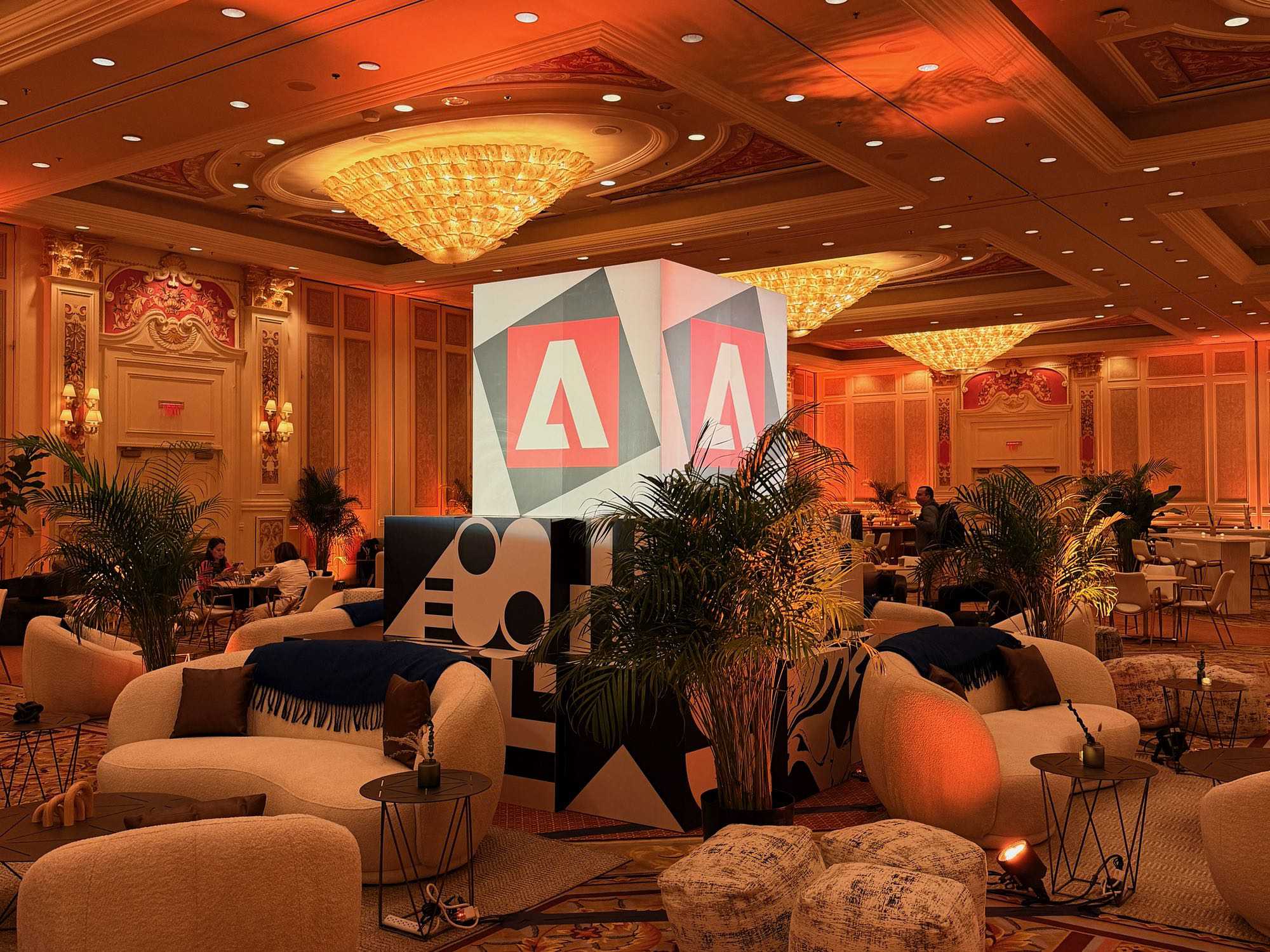
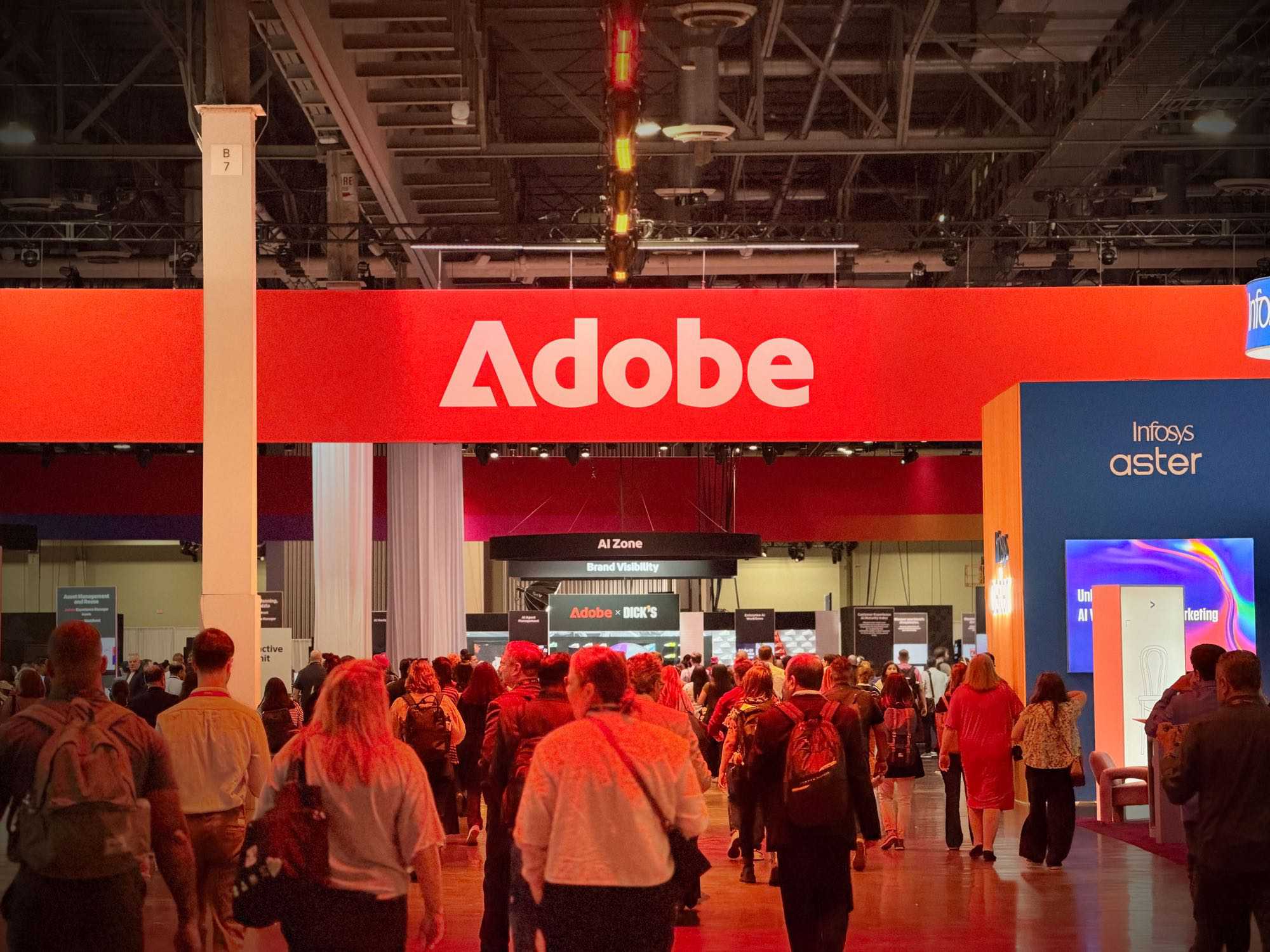
Today I sit in the Adobe Lodge, a vast lounge within the even larger Adobe Summit, drinking an Adobe-branded Americano and scrolling through photos of Adobe-sponsored Timbaland from last night, reflecting not just on my own journey with this brand, but on the journey of creative professionals more broadly. Adobe touches every aspect of marketing, creative, and experience, but today I want to focus on creatives, and more specifically the designers who have been at the core of this brand since its inception.
Adobe, along with its competitors, is racing to automate production, ideation, and even final output of creative across nearly every touchpoint imaginable. And it just got accelerated. As I write this, I just came from Adobe’s keynote, where they announced a major shift toward agentic AI with the launch of its CX Enterprise vision and a new class of AI “coworker” agents designed to actively participate in the creative and marketing process. These are not just tools. They are systems that generate, iterate, optimize, and increasingly make decisions autonomously.
And that is where things start to feel different. Because for the first time, the tools are not just unlocking creativity for designers. They are beginning to redefine who, or what, is actually designing. Feel the tension yet?
For a lot of creatives, the tools were never just tools. They were identity. They represented years of effort, late nights, and the slow process of turning instinct into something tangible. Mastery meant something, and it created a line between those who could create and those who could not. It was hard to distinguish them from the craft itself at times.
For some, this moment feels like the craft itself is being eroded, that what made design hard and meaningful is being abstracted away. It’s a real tension, and one we don’t talk about openly enough.
But if you zoom out, this pattern isn’t new.
I wasn’t around for it, but I’ve heard the stories about the collapse of the print industry. It didn’t just introduce new tools. It eliminated entire categories of creative work and forced a redefinition of what it meant to be a designer. At the center of that shift was Adobe, pushing digital forward with products like Photoshop and Illustrator that were designed to both unlock creativity and democratize it.
And the outcome wasn’t the end of creativity. It was an expansion of it.
By lowering the barrier to entry, Adobe opened the door to more people, more ideas, and more perspectives. The craft didn’t disappear. It shifted. And it was that shift that made it possible for kids like me in the 90s to see design as accessible.
Do kids in the 2020s have that same feeling of blank canvas optimism? It’s clear they are not starting at the same line I was.
They are starting with tools that guide them, accelerate them, and in some cases collaborate with them. They can explore ideas faster, generate starting points, and learn as they go. What used to take years to get comfortable with can now happen much earlier in the process.
That does not make creativity less valuable. In fact, I believe it has the potential to do the opposite.
Because the craft was never the mechanics of the process, or even the output. It was the thinking.
What changes now is how fast that thinking comes to life. Ideas are expressed quicker, with more fidelity, which means we can push them further, explore more, test more, and ultimately solve for deeper problems.
That’s the unlock.
We spend a lot of time talking about what AI is taking away. We do not spend enough time talking about what it’s unlocking.
For large brands, this is about speed and scale. For individual creators, especially those starting their careers, it’s something else entirely. It is access. It is confidence. It is the ability to get closer to their ideas faster than I ever could. It is a starting point that is miles ahead of where many of us began.
Disruption is happening, and more is coming. Roles will change. Some will disappear. New ones will emerge. That has always been true. But when I think back to that kid sitting in front of a screen, trying to make something out of nothing, this moment feels less like an ending and more like an expansion of possibility.
AI isn’t ending the creative world. It’s doing what companies like Adobe have always done at their best. Lowering the barrier, expanding access, and forcing all of us to rethink what it means to create.
The craft of design isn’t going away. The gap between thinking and making is just getting smaller.
No Comments.