
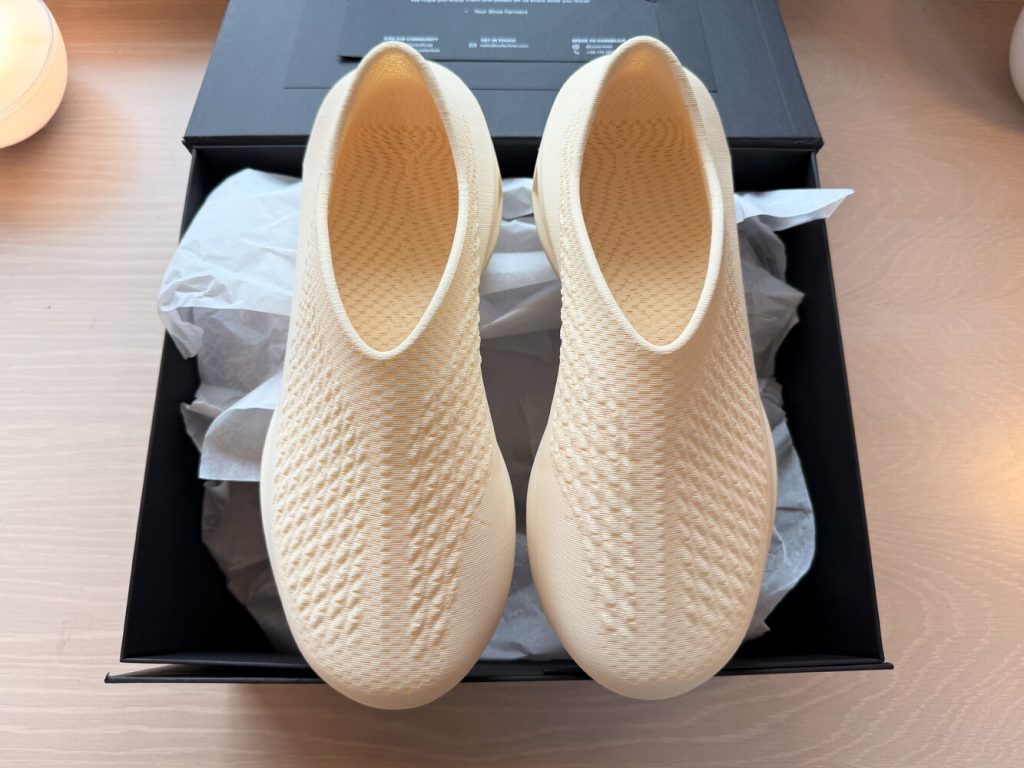
I recently took delivery of my second pair of 3D-printed Zellerfeld Shoe Company Inc. shoes and was blown away by how quickly the company is innovating through its incredible tech and open platform for creators. The current state of 3D-printed shoes isn’t for everyone, but that’s not necessarily what makes this technology and the movement behind it so exciting. It’s the open platform and creator-led approach to product development and has made possible a true creator-2-consumer (C2C) with sophistication and innovation that would have been impossible just a few years ago.
For decades, the sneaker industry has been locked in a cycle of hype, exclusivity, waste and slow-moving innovation. Billion-dollar brands set the trends, factories churn out mass-produced designs, and independent creators are locked out. Zellerfeld’s approach upends all of it. But it’s not just about disrupting sneakers. It’s about opening the floodgates and allowing creators the ability to bring their dreams to life and directly to consumers. It’s D2C in the most pure form or C2C as I call it.
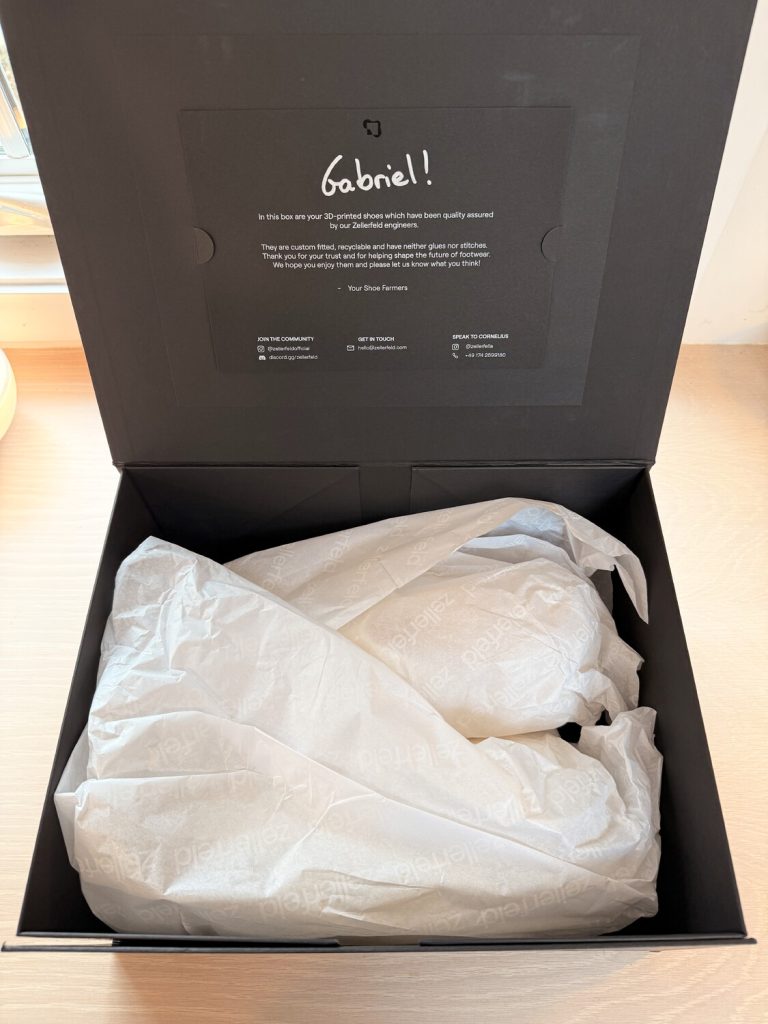
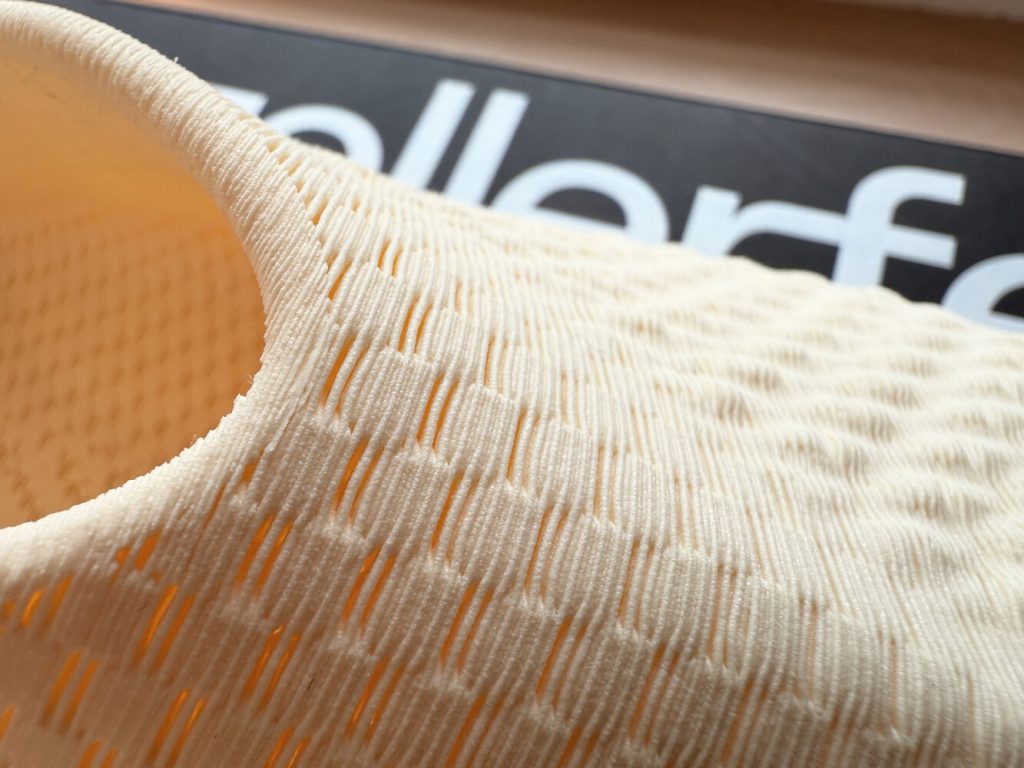
The tech behind Zellerfeld is the foundation of it all. They even refer to themselves as farmers, simply harvesting shoes from 3D printers. Instead of factories, their sneakers emerge fully formed through 3D printing, layer by layer. No stitching, no molds, no waste—just raw creativity transformed into a product you can buy.
The Open Platform: Creativity Without Permission
Zellerfeld’s biggest disruption isn’t just the tech—it’s who gets to use it. Unlike traditional brands that tightly control production, Zellerfeld operates as an open platform, inviting creators—from bedroom designers to major brands—to bring their ideas to life. Think of it as YouTube for footwear, democratizing creation without factories, warehouses, or middlemen.
Nike and Moncler are just two of the latest brands to tap into this innovation, but the real ingenuity comes from independent creators. That’s why I chose a design from Dennis Johann Mueller over all of them. Ordering was simple: my foot was scanned for an incredibly precise fit. What once took 6–9 months from order to delivery now takes just 30–45 days—a testament to how quickly Zellerfeld is refining its process.
The ten-year-old me, who would secretly stay up late sketching shoes and dreaming of being a designer, would have his mind blown by the possibilities.
Beyond Sneakers: A Glimpse into the Future
Zellerfeld’s tech and approach to product creation have the potential to reshape entire industries. Imagine scanning your foot in-store and having a sneaker printed on the spot. Now expand that vision to clothing, eyewear, and furniture—all crafted on-demand, waste-free, and personalized. And it gets even more interesting when you consider the creator-to-consumer (C2C) angle.
A lot has been promised about 3D printing over the years. And, much like AR and VR, the output initially failed to live up to the hype. But as the technology advances, we’re starting to see a quiet revolution unfold. The result could be nothing short of the dismantling of traditional product design and manufacturing—replaced with something more creative, sustainable, and personal.

No Comments.