
A month ago, Jaguar shocked the world—not with a bold new car, but with a whisper of reinvention. A bizarre video heralded the company’s shift to an all-electric future and a move upmarket. But this wasn’t just a brand refresh—it was a reckoning. Jaguar didn’t simply chart a new path; they burned the bridges to the old one.
In a bold, almost theatrical gesture, Jaguar erased every image, post, and memory from its social channels, wiping away decades of history with the click of a button. The slate was blank.
But Jaguar wasn’t done. The company pressed pause on all production, announcing that no new cars would leave the factory floor until 2026, when their $250,000 electric sedan would finally debut. In one sweeping motion, Jaguar cut ties with the very elements that had long defined its identity—innovation, motorsport triumphs, and timeless design.
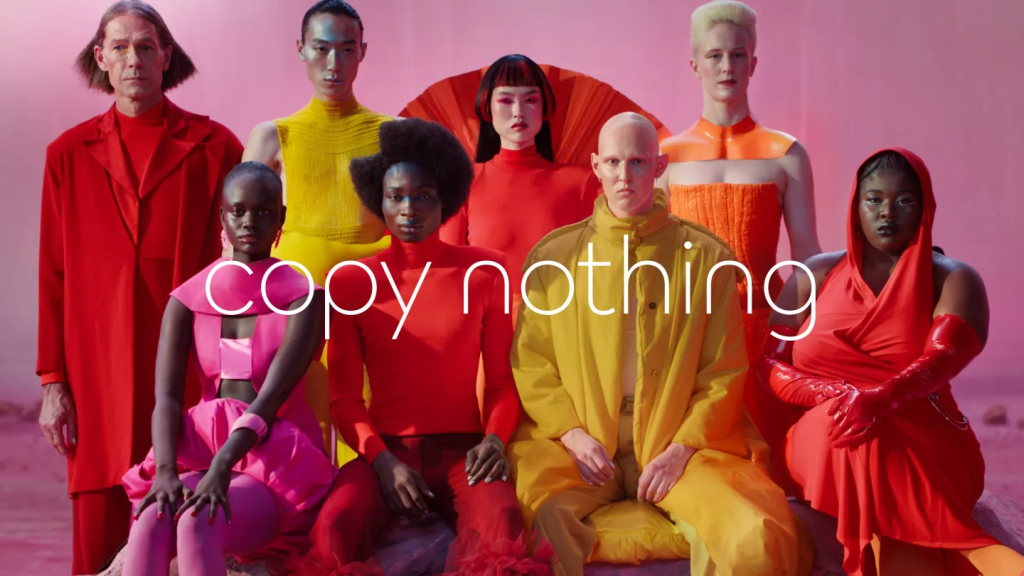
In its place came a new ethos, a new tagline: “Copy Nothing.” And then—like an encore—the curtain rose on a matte pink electric concept car. The internet, predictably, lost its mind—bewilderment, outrage, the whole spectrum. But here’s the thing—everyone seemed fixated on the wrong details. A weird video. A questionable new logo. A pink concept car.
What really stuck with me was the ethos supposedly steering this whole reinvention: “Copy Nothing.”
It’s a phrase that feels more like a tagline for a forgotten ‘90s cologne than the battle cry of a legendary automaker. And therein lies the tragedy—Jaguar is overlooking an extraordinary chance to blend the boldness of its future with the brilliance of its past. A past defined by one of the most iconic slogans in automotive history:
Grace, Space, Pace.
It was more than marketing. “Grace, Space, Pace” embodied Jaguar’s soul, capturing the elegance, performance, and innovation that defined the brand’s golden era of the early ‘60s. What’s remarkable is how that concept feels more relevant today than it did 60 years ago. Luxury car buyers expect it all, and through modern technology and design, automakers are now in a position to deliver.
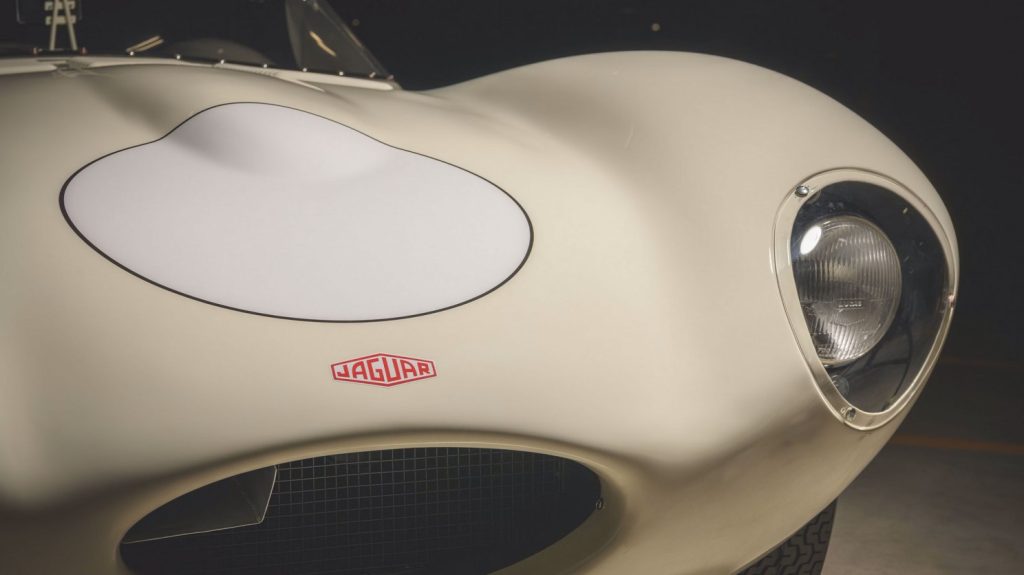
At its peak, Jaguar didn’t just build cars—they crafted experiences. Their vehicles married performance with elegance, turning heads on city streets while dominating racetracks. This duality was Jaguar’s essence, and “Grace, Space, Pace” captured it flawlessly more than 60 years ago.
Jaguar’s history doesn’t deserve to be erased. The best of it should be positioned as the brand’s North Star, guiding and inspiring its future.
In an automotive world saturated with sleek but soulless electric vehicles, Jaguar’s heritage should be the very thing that sets it apart. While startups and Chinese manufacturers race ahead, innovating by necessity because they lack the weight of history, Jaguar possesses something they can’t fabricate—a lineage of excellence.
To discard that is to discard its advantage.
In this era of digital saturation and disposable trends, authenticity reigns. Consumers crave products with stories, rooted in identity and shaped by experience. Jaguar’s legacy is its greatest asset, a foundation that could anchor its shift to electric without losing the essence of what made the brand iconic.
Grace, Space & Pace isn’t just a relic of the past—it should be a beacon for the future, blending electric elegance, performance, and authentic heritage the world craves. It’s a shame Jaguar doesn’t seem to remember it.

No Comments.